
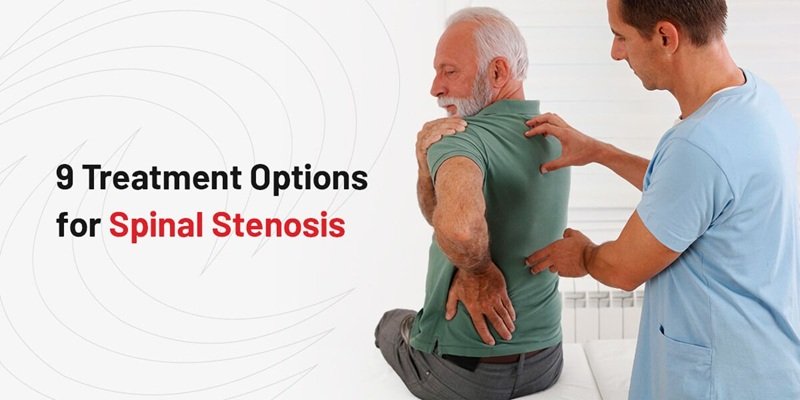
Chronic lower back and leg pain can quietly take over your daily life. Simple things like walking, standing, or even running errands start to feel like a chore. For people dealing with lumbar spinal stenosis, this struggle is all too real. The good news? Surgery isn’t the only option anymore.
Minimally invasive treatments are changing the game, offering effective relief without the stress, risks, and downtime of traditional spine surgery.
What Is Lumbar Spinal Stenosis?
Lumbar spinal stenosis occurs when the space within the lower spine narrows, putting pressure on nearby nerves. This compression leads to pain, discomfort, and reduced mobility.
It’s usually linked to age-related changes such as:
- Degenerative disc disease
- Arthritis
- Herniated discs
- Thickened ligaments
Common Symptoms
- Ongoing lower back pain
- Leg pain or cramping while walking
- Numbness or tingling in the legs
- Weakness or fatigue
- Relief when sitting or bending forward
Left untreated, symptoms often worsen over time, making early intervention important.
A Minimally Invasive Alternative
One of the most promising advancements in spinal care is a minimally invasive procedure that helps relieve nerve pressure without major surgery.
This treatment involves placing a small implant between the vertebrae to keep the spinal canal open. By maintaining space in the spine, pressure on the nerves is reduced—leading to pain relief and improved mobility.
Why Patients Are Choosing This Option
- No major surgery
- Outpatient procedure
- Faster recovery time
- Minimal scarring
- Preserves natural spine structure
- Long-lasting symptom relief
Many people notice improvement in their ability to stand and walk shortly after the procedure.
The Importance of Specialist Care
Not every treatment works for everyone, which is why proper evaluation matters.
A qualified pain specialist will:
- Review your symptoms and medical history
- Confirm whether you’re a suitable candidate
- Create a personalized treatment plan
- Perform the procedure with precision
- Support you through recovery
Getting the right diagnosis upfront significantly improves outcomes.
Minimally Invasive vs. Traditional Surgery
Traditional spine surgery can be effective, but it often comes with longer recovery times, higher risks, and extended hospital stays.
Minimally invasive approaches, on the other hand, focus on:
- Reduced physical trauma
- Lower complication risks
- Shorter downtime
- Faster return to daily life
For many patients, it’s a practical first step before considering more extensive surgical options.
Managing Nerve-Related Pain
Spinal stenosis doesn’t just cause back pain—it often leads to nerve-related symptoms like burning, tingling, or radiating discomfort.
Addressing this type of pain early can:
- Prevent further nerve damage
- Improve mobility
- Enhance overall quality of life
Treatment plans often combine multiple approaches to get the best results.
A Holistic Approach to Pain Relief
Modern pain management isn’t just about one procedure—it’s about the full picture.
A comprehensive treatment plan may include:
- Physical therapy
- Medication management
- Lifestyle adjustments
- Minimally invasive procedures
This multi-layered approach ensures care is tailored to your specific condition and goals.
Other Treatment Options
If minimally invasive spinal decompression isn’t suitable, other advanced therapies are available.
One such option uses mild electrical impulses to interrupt pain signals before they reach the brain. This technique can be especially helpful for chronic nerve pain that hasn’t responded to other treatments.
Are You a Good Candidate?
You may benefit from minimally invasive spinal treatment if you:
- Have been diagnosed with lumbar spinal stenosis
- Experience leg pain that improves when sitting or bending forward
- Haven’t found relief with conservative treatments
- Want to avoid major surgery
- Prefer quicker recovery and less downtime
A consultation with a specialist is the best way to determine the right path forward.
Take the First Step Toward Relief
Living with constant pain isn’t something you just “deal with.” With today’s medical advancements, there are safer, less invasive ways to regain control of your life.
Exploring modern treatment options can help you move better, feel better, and get back to doing the things you actually enjoy—without the burden of chronic pain holding you back.
